The Story of Classic Surfboards
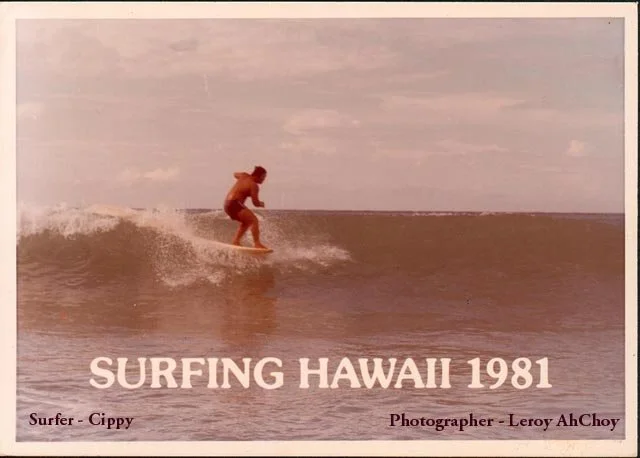
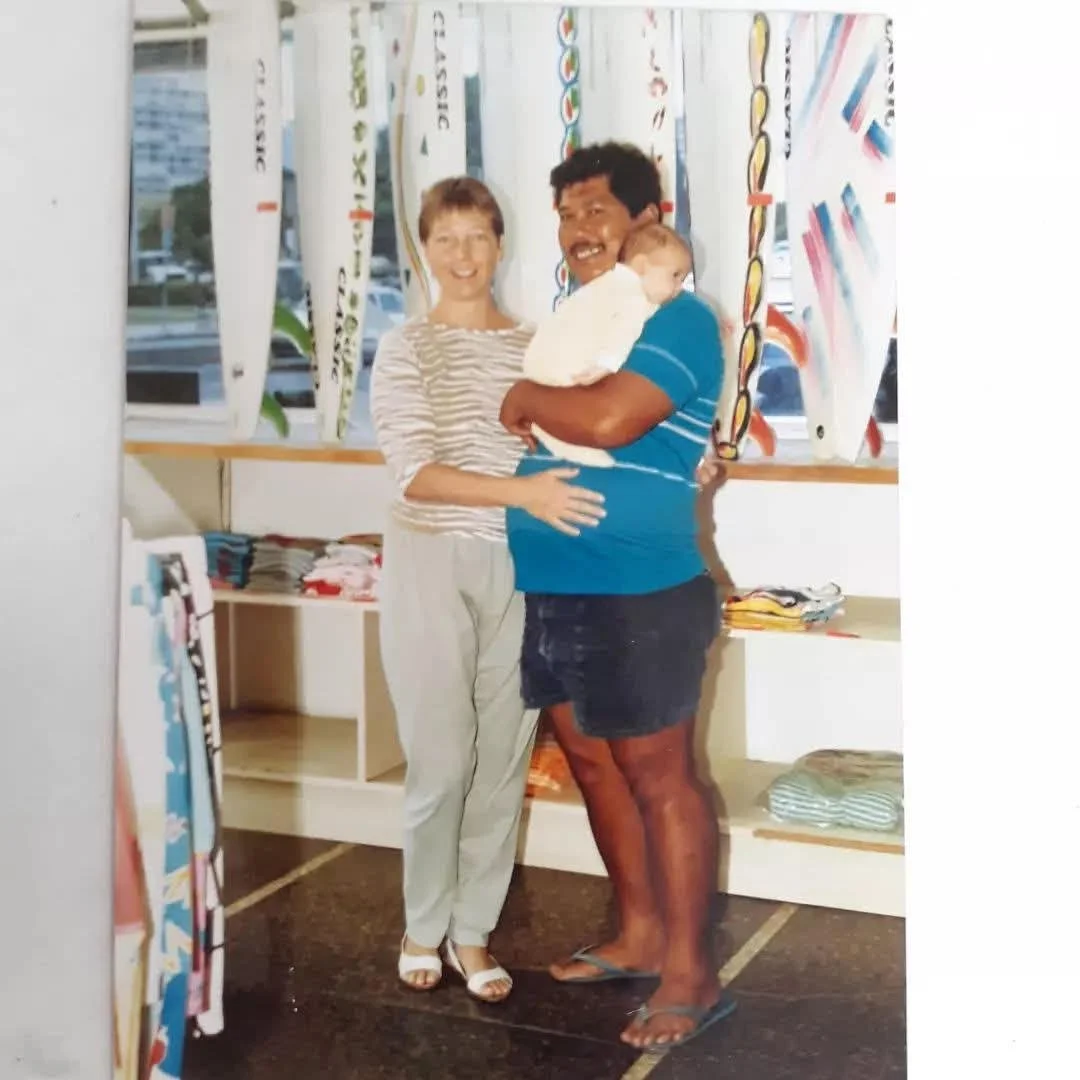
Hawaii surfer Cippy Cabato and Florida surfer Ginny Ramsey met in the water at Queens in the 1970s. Ten days later, they were living together and beginning a life centered around surfing. Nearly five decades on, they’re still together—and still deeply woven into the fabric of Hawaii’s surfing community.
When they met, Ginny was a stoked shortboarder, fresh off a 1st Place win at the 1977 Miller Beer Canaveral Pier contest. Cippy rode shortboards too—and rode them well—but his heart was always with powerhouse longboarding.
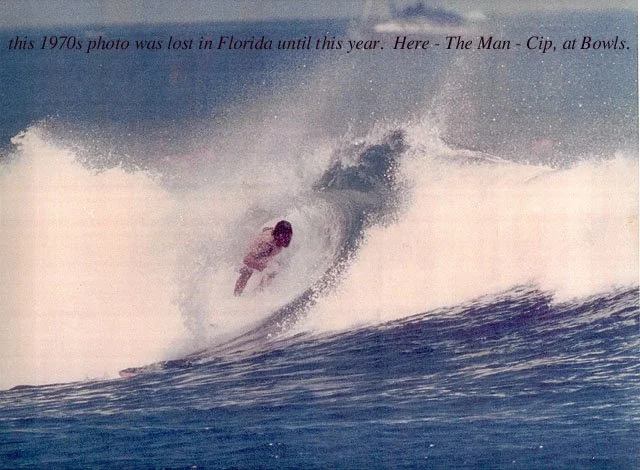
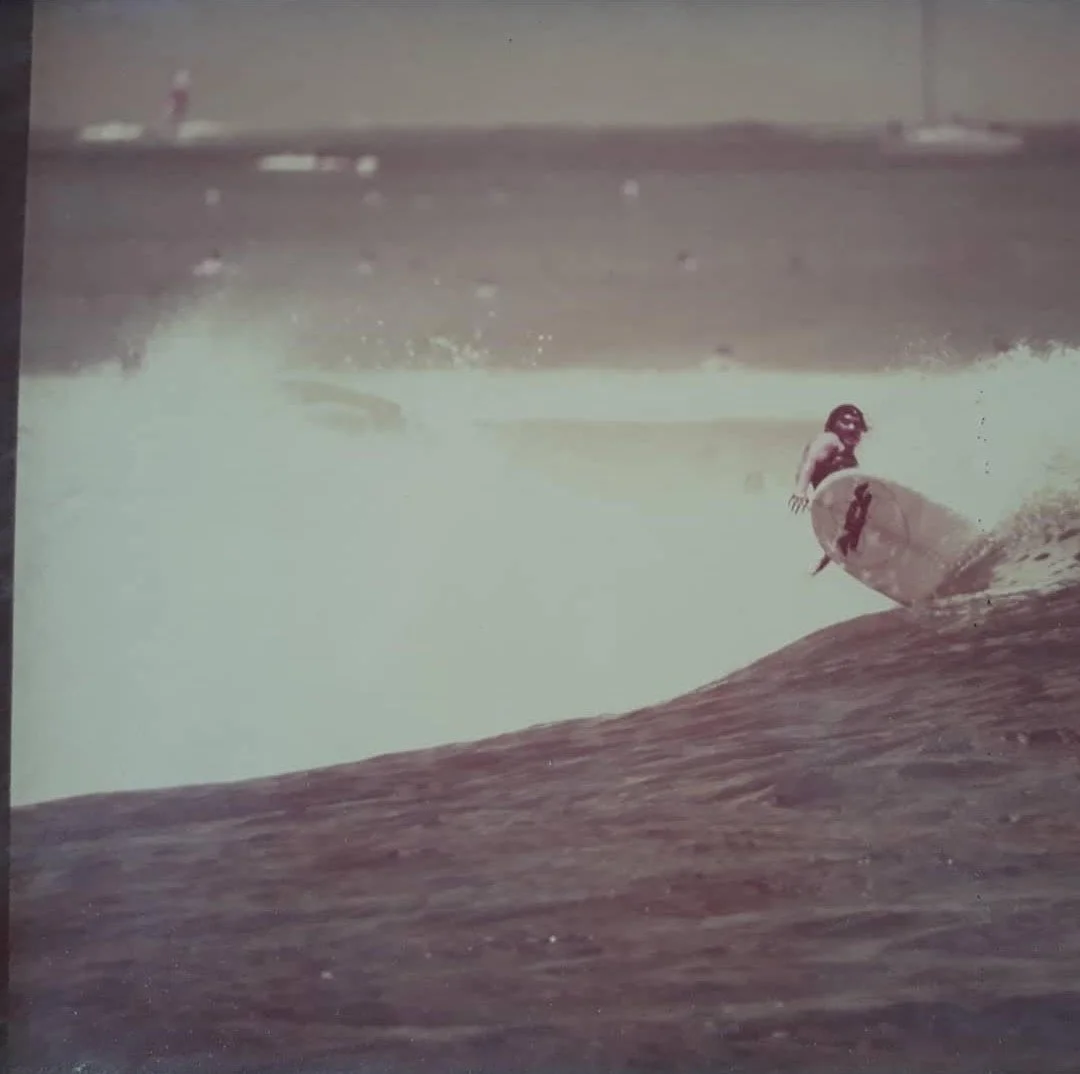
The year before they met, in 1976, Cippy cemented his place in surf history by winning the Men’s Division of the United States Surfing Championships at Ala Moana Bowls. He advanced through the elimination heats on a shortboard, then made history in the finals by riding a 12-foot longboard—an unprecedented move that forever changed the structure and format of competitive surfing.
Although Cippy made a few appearances as a professional surfer, competition was never what he wanted to pursue long-term. His true passion was shaping and design.
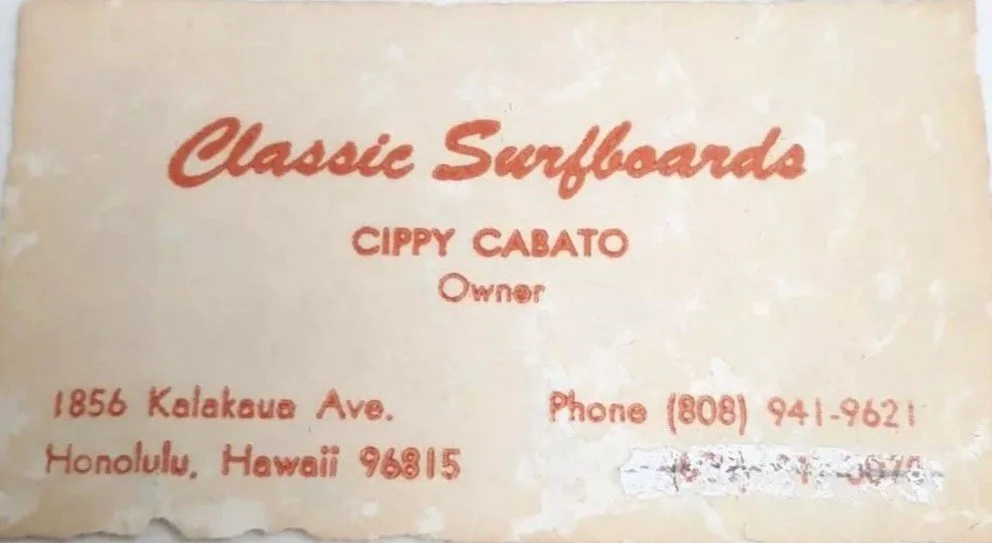
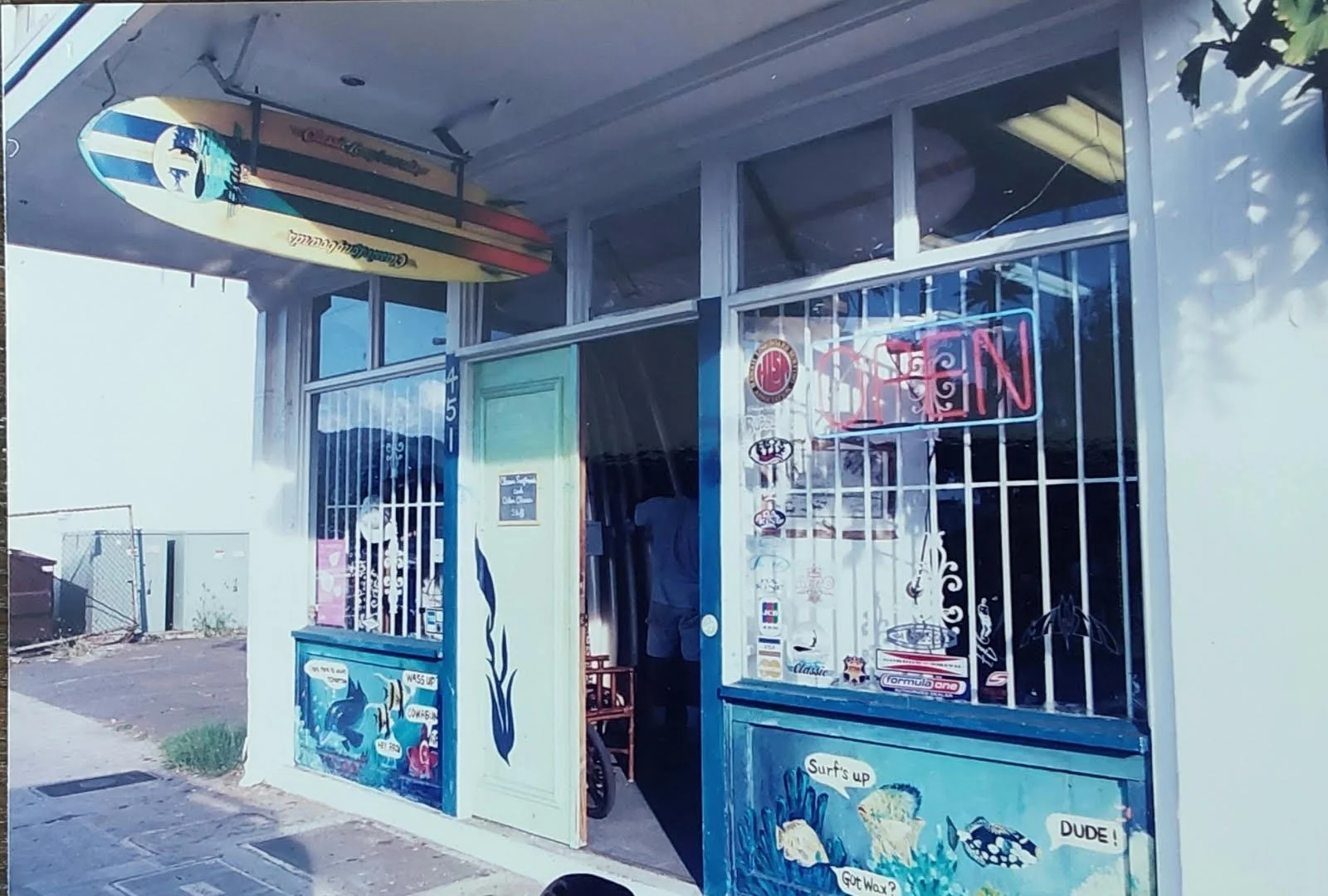
In the late ’70s, Cippy was milling boards for Ben Aipa at the Surfline factory. In 1980, while Ben was traveling, Cippy’s work there was temporarily on pause. That’s when Ginny—confident in his talent and skill—gave him a little nudge. She spotted an empty building at the entrance to Waikiki and convinced him it was time to take a leap of faith and open their own shop. That small storefront became Classic Surfboards.
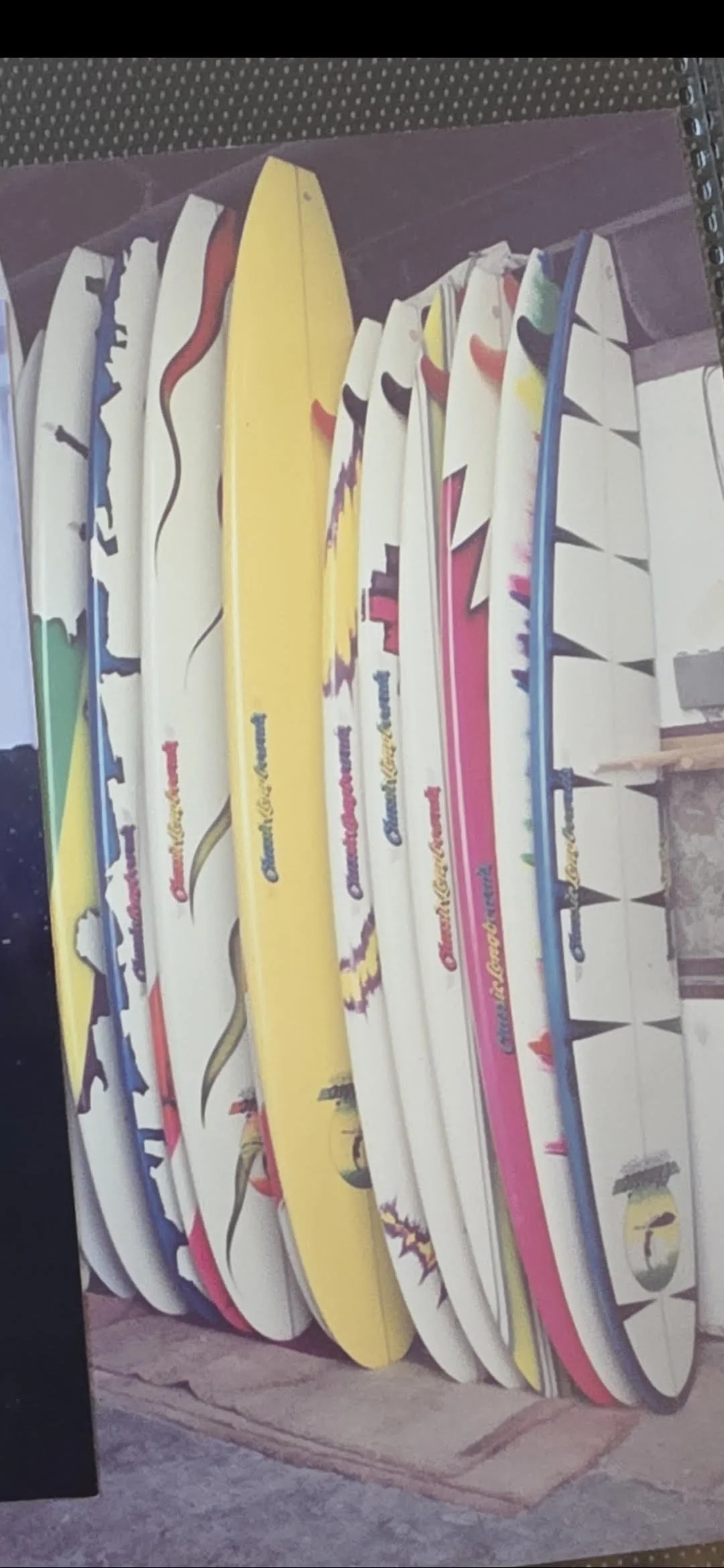
Cippy rented space in the old Ironworks building in Kaka‘ako for a factory and quickly filled the racks with both shortboards and longboards. Over the decades, the Classic factory evolved and relocated as the landscape changed, but one thing stayed the same: Cippy and a small core crew did all their own work—from the first cut in the blank to the final glass and polish. From day one, the goal was simple: take the best of both worlds, longboards and shortboards, and blend them together for easy paddling, solid durability, and real performance.
Cippy focused on high-performance longboard design and built a strong team along the way. Early on, that included future world champions Bonga Perkins and Dino Miranda, followed by the next generation of North Shore standouts like Apollo Flemming and Emerick Ishikawa.
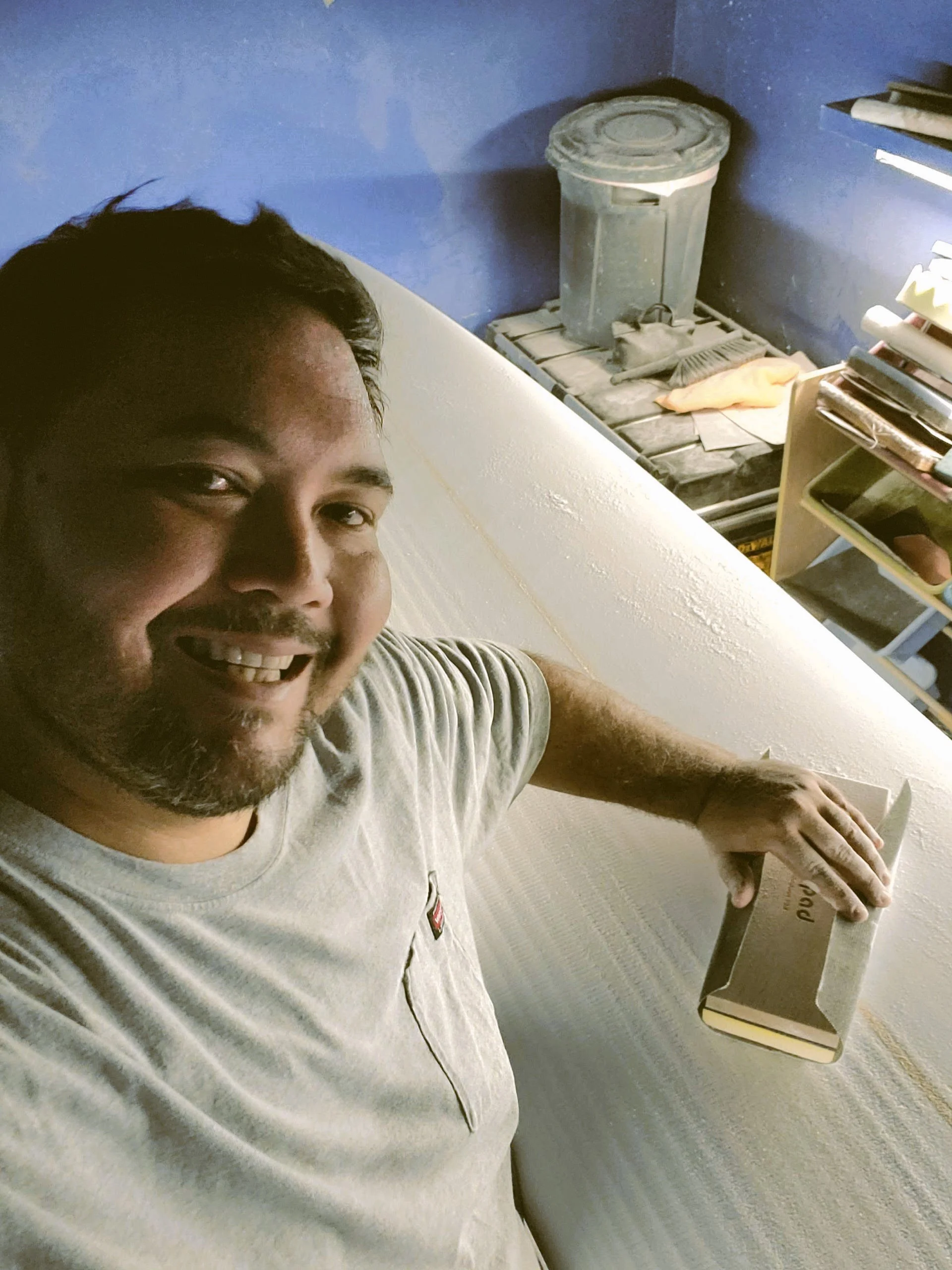
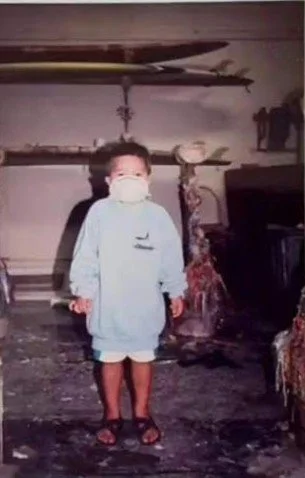
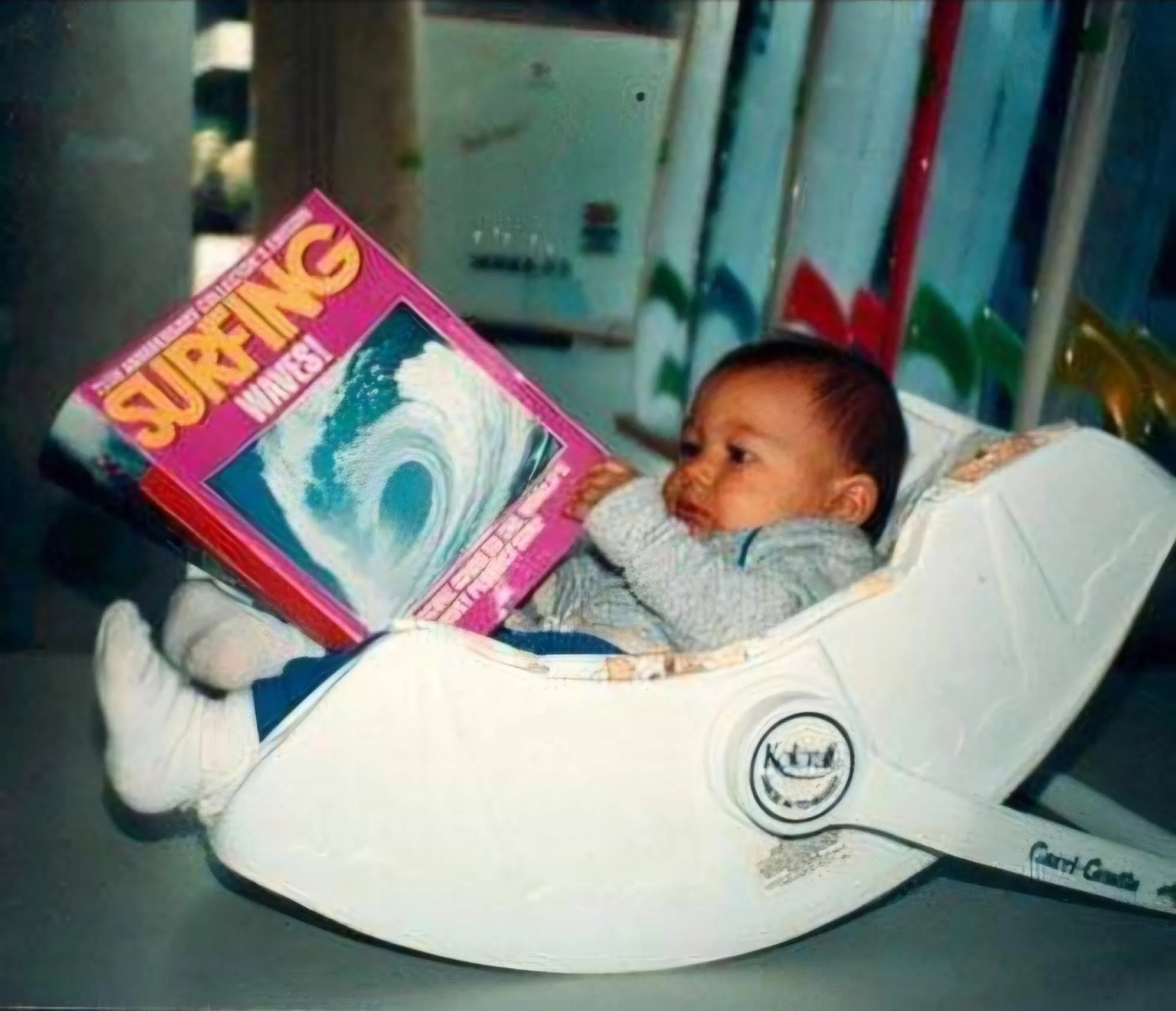
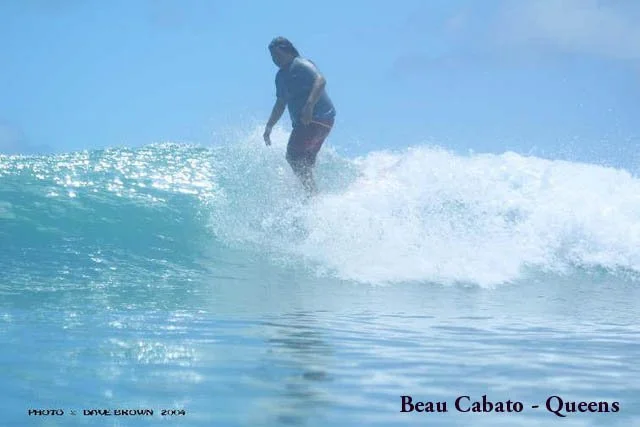
Beau Cabato was literally born into all of it. The shop, the factory, the foam dust, the sound of planers, and local surfers stopping by to talk story—this was home. Cippy carried Beau into the clear water at Queens before he could walk. Beau took his first steps in the Kalakaua shop and started surfing on his own at a young age. He grew up watching his dad shape boards, learning to airbrush and sand, and picking up the fundamentals of board design the old-school way—by doing.
From early on, Beau rode and tested nearly every make and model of surfboard, from 1960s logs to ’70s Lightning Bolts to ’80s channel bottoms. He became a fundamental part of Classic Surfboards, developing a natural understanding of how design, materials, and craftsmanship come together. Influenced by his father’s shapes, along with legendary Hawaii shapers Sparky, Buddy Dumphy, and Ben Aipa, Beau began carving out his own design style—one that respects tradition while pushing innovation and performance forward.
The original Kalakaua Classic Surfboards shop eventually came down to make way for the Waikiki Landmark Condominiums, but for a solid decade it was much more than just a surf shop. It was a hub for iconic boards and a gathering place for everyone from the most progressive surfers of the era to some of the oldest, wisest, and most respected surfers, shapers, watermen, and craftsmen in the surfing world.
Classic reopened on Kapahulu Avenue when Beau was three and remained there for nearly twenty years. What began as a mom-and-pop operation naturally evolved into a mom-and-pop-and-Beau business. From an incredibly young age, Beau was actively helping run the shop—doing repairs, adjusting fins, taking custom orders, selling stock boards, working with surfers and customers from all over the globe, and quietly absorbing a deep, hands-on education in surfboard design and production.
Today, Beau leads Classic Surfboards, carrying the brand forward with the same values it was built on and a clear eye toward the future. Under his direction, Classic continues to evolve—honoring its roots in performance longboarding and killer shortboards while refining designs for modern surfers and the next generations.